FBI Warns AI Cyber Attacks Breach Networks in 3 Hours
November 23, 2026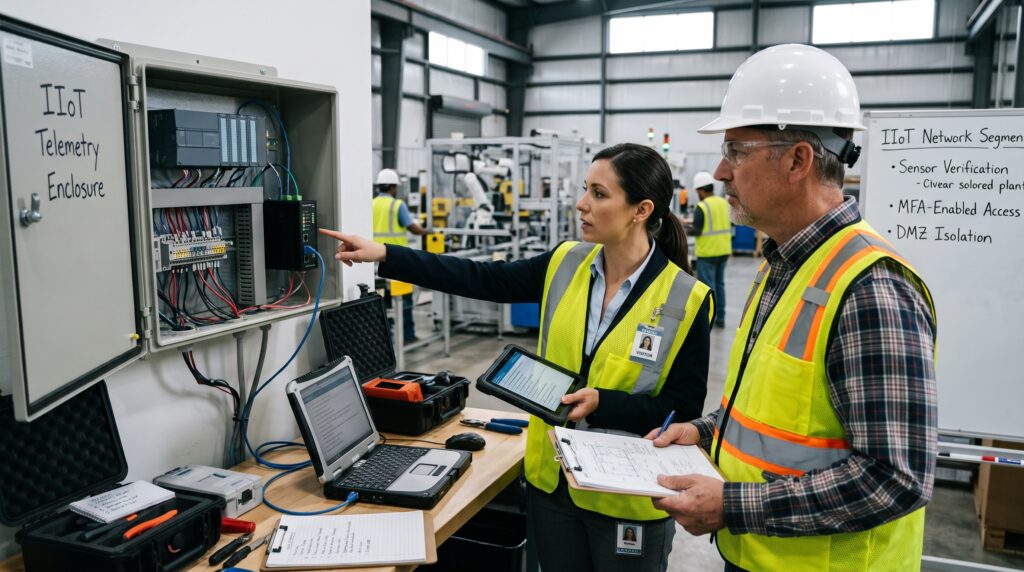
Guide to IIoT Security in Modern Factories
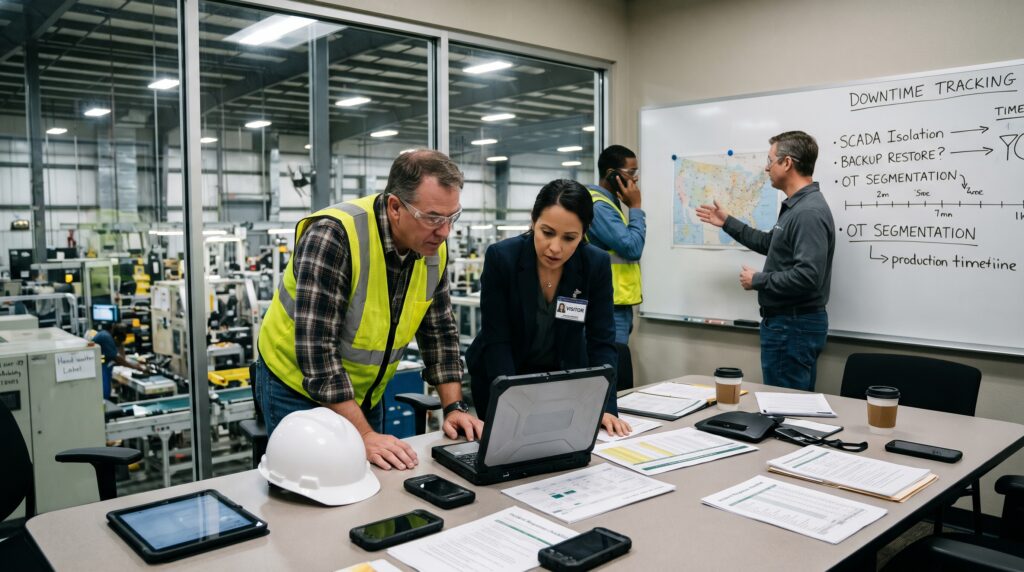
Walk onto any modern manufacturing floor or processing plant in Greater Houston, and you’ll see a massive technological transformation in action. Traditional factory machinery has been upgraded with smart sensors, cloud-connected robotics, and predictive maintenance software. While these innovations allow facilities to boost production speed and predict equipment failures before they happen, they also introduce a serious new challenge: an exponentially larger digital attack surface. Many operators are now realizing that their existing cyber defenses are not equipped to handle the unique demands of IIoT security.
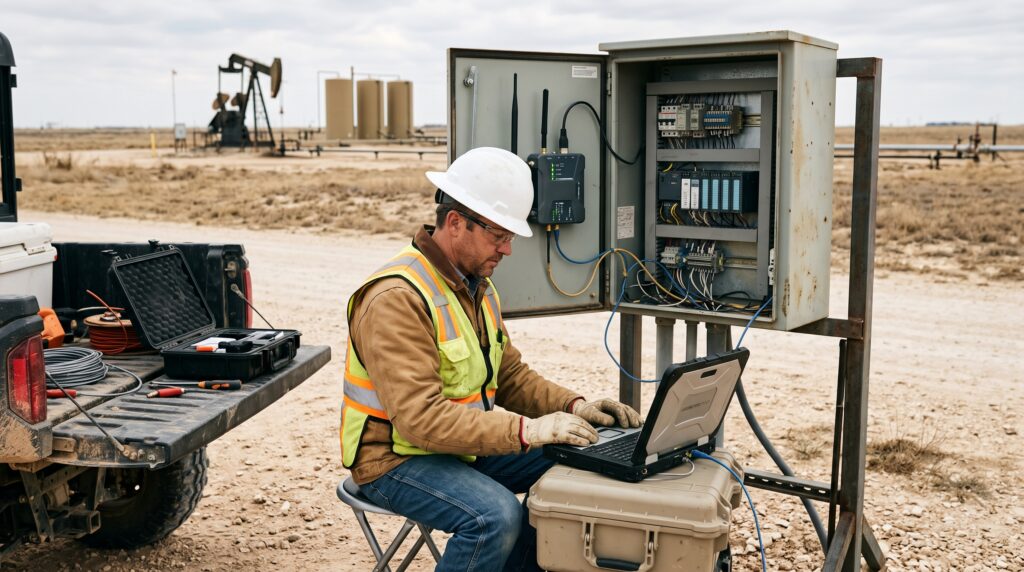
Every connected sensor, smart valve, and automated robotic arm you add to your facility represents a potential new doorway into your business. Historically, industrial machinery was completely isolated from the internet. Today, predictive maintenance algorithms and cloud-based operational tools require a constant, real-time flow of data between your factory floor and the outside world. Without a specialized security strategy, this newfound connectivity can allow cybercriminals to use a single unmonitored device to compromise your entire production network.
How Smart Technologies Expand Your Risk Profile
In the past, securing an industrial facility meant guarding a few well-defined network access points. The widespread adoption of smart devices, however, has completely dissolved those traditional boundaries. Managing IIoT security requires addressing several unique vulnerabilities introduced by these technologies:
1. Hard-to-Secure Edge Devices
Many industrial sensors and smart devices are designed to be lightweight, inexpensive, and energy-efficient. Unfortunately, this means they often lack the processing power to support standard security features like data encryption or multi-factor authentication (MFA). Many of these devices are shipped with default, unchangeable passwords, making them easy targets for automated cyber threats.
2. Risky Third-Party Support Links
To keep cloud-connected robotics and predictive maintenance systems running smoothly, outside vendors often require continuous remote access to your equipment. If these third-party technicians use weak passwords or connect via unsecured virtual private networks (VPNs), a compromise at their office can give attackers a direct path onto your factory floor.
3. Vulnerable Legacy Integration
Modern smart devices must frequently communicate with older, legacy machinery that was designed decades before the internet existed. These legacy systems are highly vulnerable to digital disruptions. Connecting them to internet-facing networks can expose sensitive industrial controls to the outside world, where they can be manipulated or shut down.
4. Overwhelming Data and System Complexity
A single smart factory can generate millions of data points every day, flowing across dozens of different protocols and systems. This massive volume of activity makes it incredibly difficult for standard IT teams to spot suspicious behavior—like a sensor being reconfigured at 3:00 AM—until a major disruption has already occurred.
Transitioning From Traditional IT to Industrial Defense
A major reason many businesses struggle with IIoT security is that they attempt to apply standard corporate IT practices to the factory floor. In a typical office, if a laptop behaves suspiciously, the standard protocol is to remotely lock the machine or run an aggressive security scan.
On an active production line, however, applying those same automated rules can be disastrous. Disrupting a robotic arm or freezing a temperature sensor mid-process can ruin materials, damage expensive equipment, or create severe physical safety hazards for your workforce.
Effective industrial defense requires a different mindset. Instead of relying on standard software patches and blanket network blocks, your team must focus on building strong boundaries, continuous behavior-based monitoring, and secure access controls that protect your data without risking your physical operations.
Five Best Practices for Securing Your Connected Factory
To protect your business from the risks of connected technology while keeping your production lines moving, your leadership team should implement these five essential security strategies:
-
Isolate IIoT Traffic on Separate Networks: Never allow a smart sensor or predictive maintenance tool to sit on the same network as your corporate email or accounting systems. Use firewall-segmented virtual networks (VLANs) to completely isolate your IIoT devices. This ensures that even if an attacker compromises a smart device, they cannot access your broader business systems.
-
Replace Traditional VPNs with Zero-Trust Access: When outside vendors or internal engineers need to connect to your automated equipment, never give them open network access. Implement Zero-Trust Network Access (ZTNA) to require multi-factor authentication (MFA) and restrict their remote visibility only to the specific machine they are authorized to service.
-
Keep an Up-to-Date IIoT Asset Inventory: You cannot secure what you do not know exists. Maintain an active, automated inventory of every connected device on your floor, including its IP address, firmware version, and communication patterns. Immediately disable or isolate any device that is no longer in use.
-
Utilize Continuous Behavioral Monitoring: Standard antivirus tools are blind to the specialized protocols used by industrial sensors and robotics. Implement specialized monitoring tools designed to understand industrial data. These systems watch for unusual behavior—such as a sensor attempting to communicate with an unauthorized external server—and alert your team before the threat can escalate.
-
Include Connected Devices in Your Incident Plan: Ensure your incident response procedures specifically account for smart technology. Define exactly who has the authority to isolate an IIoT device, how to transition to manual operations if a sensor fails, and how to verify that your PLC (Programmable Logic Controller) configurations are secure before restarting your machinery.
What Houston Industrial Leaders Must Understand
-
Connectivity demands proactive defense: You cannot safely collect real-time performance data without actively managing IIoT security.
-
Identity-first access is critical: Every remote connection to your automated equipment must be strictly verified and limited to keep outside threats from reaching your SCADA networks.
-
Physical safety always comes first: Industrial security must focus on protecting your physical operations and keeping your workforce safe, not just securing digital data.
FAQs About Smart Factory Security
Why are smart sensors considered such a high cyber risk?
Because many smart sensors are designed with very basic hardware, they usually lack built-in security features, encryption capabilities, or the ability to receive regular software updates. This makes them easy targets for attackers looking for an unsecured entry point into your broader network.
Can we secure our connected robotics without slowing production?
Yes. By using network segmentation and secure intermediate boundaries (like an industrial DMZ), you can protect your automated systems and gather real-time data without introducing operational delays or risking unplanned downtime.
How does IIoT connectivity affect our insurance?
Insurers are increasingly scrutinizing how industrial businesses secure their connected equipment. Having a documented inventory of your devices, isolating your OT networks, and using multi-factor authentication for remote access are becoming standard requirements for maintaining cyber liability coverage.
Don’t Let an Unsecured Sensor Vulnerability Halt Your Operations
You shouldn’t have to guess whether an unmonitored smart device, a vendor remote login, or a cloud-connected robotic system is leaving your entire operation exposed to high-dollar cyber threats.
Schedule a comprehensive Cyber Security Evaluation & Assessment with Krypto IT today. Our Houston team will audit your connected factory environment, evaluate your remote access pathways, and help you establish practical IIoT security controls that protect your physical operations without slowing your business down.